OPEN EXPERIMENTS · UPDATED ONGOINGLY

Understand AI engineering
through experiments.

From model training and retrieval to inference deployment, we use code and measurements to ask what works, under which conditions, and how to test it on your own data and hardware.

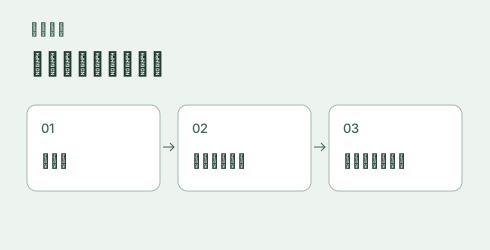
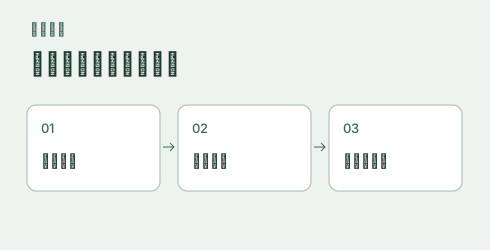
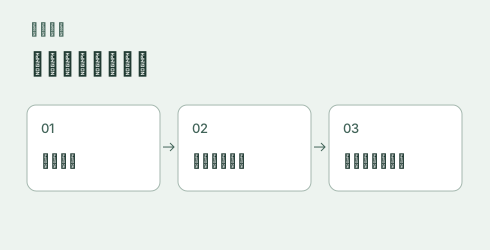
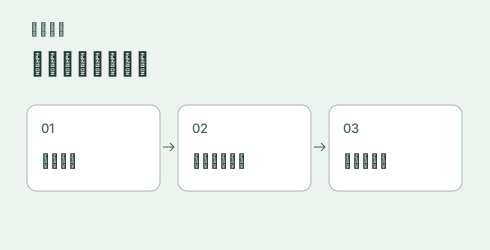
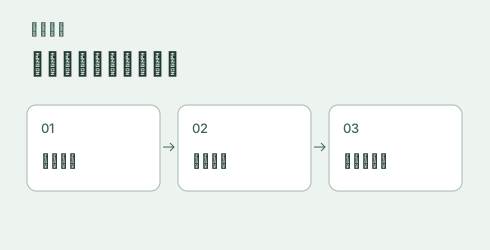
From questions to inspectable evidenceAn experiment moves from a question through controlled tests to an interpretation of results.XIAOKE AI LABS / EXPERIMENT NOTESFROM QUESTION TO EVIDENCETrace every conclusion to evidence123Ask a questionDefine the goal and use caseDesign and run comparisonsRecord data, settings, and measurementsInterpret results and limitsShare code and preserve evidence
Start with a question; make methods, data, and conclusions inspectable.

Start with a question

Explore methods alongside their data, settings, and results.

Training and fine-tuning

Prepare data, adapt embedding and reranking models, and assess them with retrieval metrics.

Inference and performance

Compare quantization, serving engines, and concurrency; estimate memory and bandwidth for deployment.

Retrieval and storage

Explore multi-stage retrieval and compare vector database recall, latency, and storage costs.

Documents and multimodal AI

Study OCR, image fine-tuning, and cross-modal deployment across devices and their limitations.

What measurements can tell us

Every result depends on its data, hardware, and method.

Check outputs as well as speed

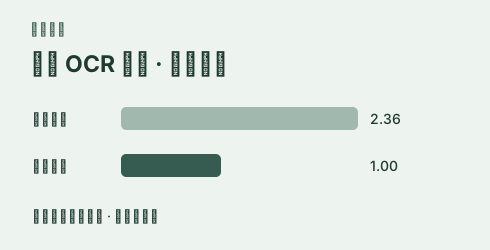
On four OCR samples on GB10, total model generation time improved by 2.36× with identical greedy outputs. Timing excludes image loading and preprocessing; the result does not represent all documents.

Explore OCR acceleration →

Build your own comparison

Models, data, and hardware affect results. Experiment records include configurations and methods to help you test your own workload.

Browse experiments →

Experiment index

Choose a topic to inspect methods, code, results, and their limits. English guides are linked where available; other entries open in Chinese.

Training, fine-tuning, and retrieval
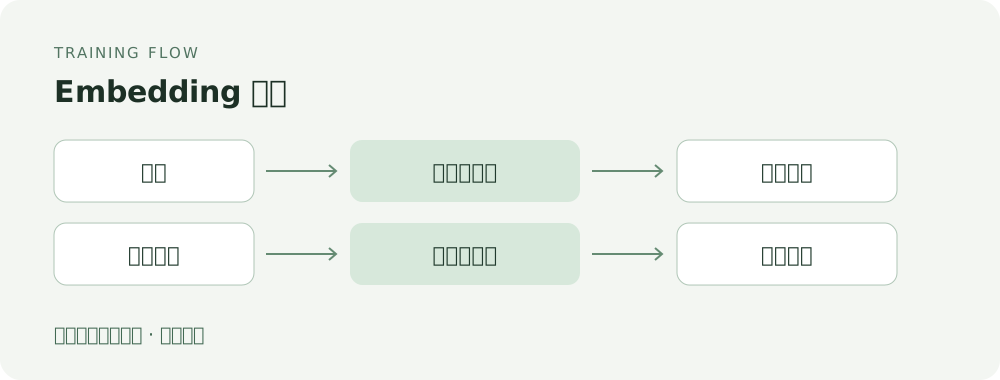
Chinese embedding fine-tuning
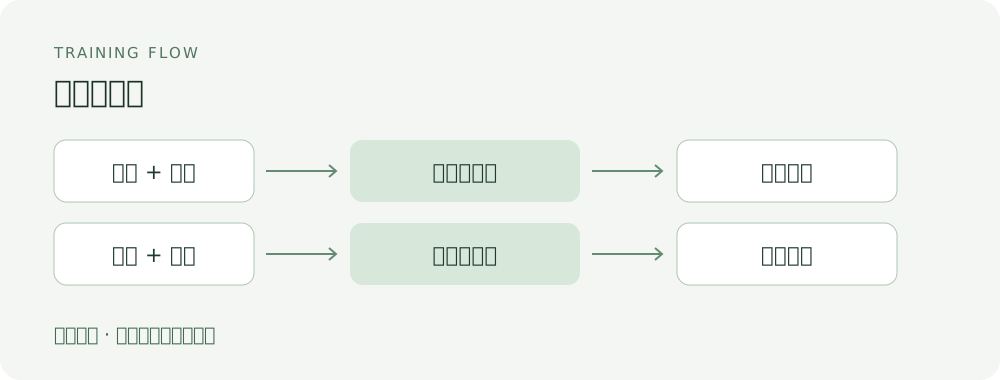
Learn in-batch contrastive training with query-document pairs; the four built-in examples do not establish a retrieval improvement.
Reranker fine-tuning
Train a cross-encoder with queries, documents, and relevance labels.
Vector database benchmark
Historical records lack raw results and do not support product rankings.
Vector index costs
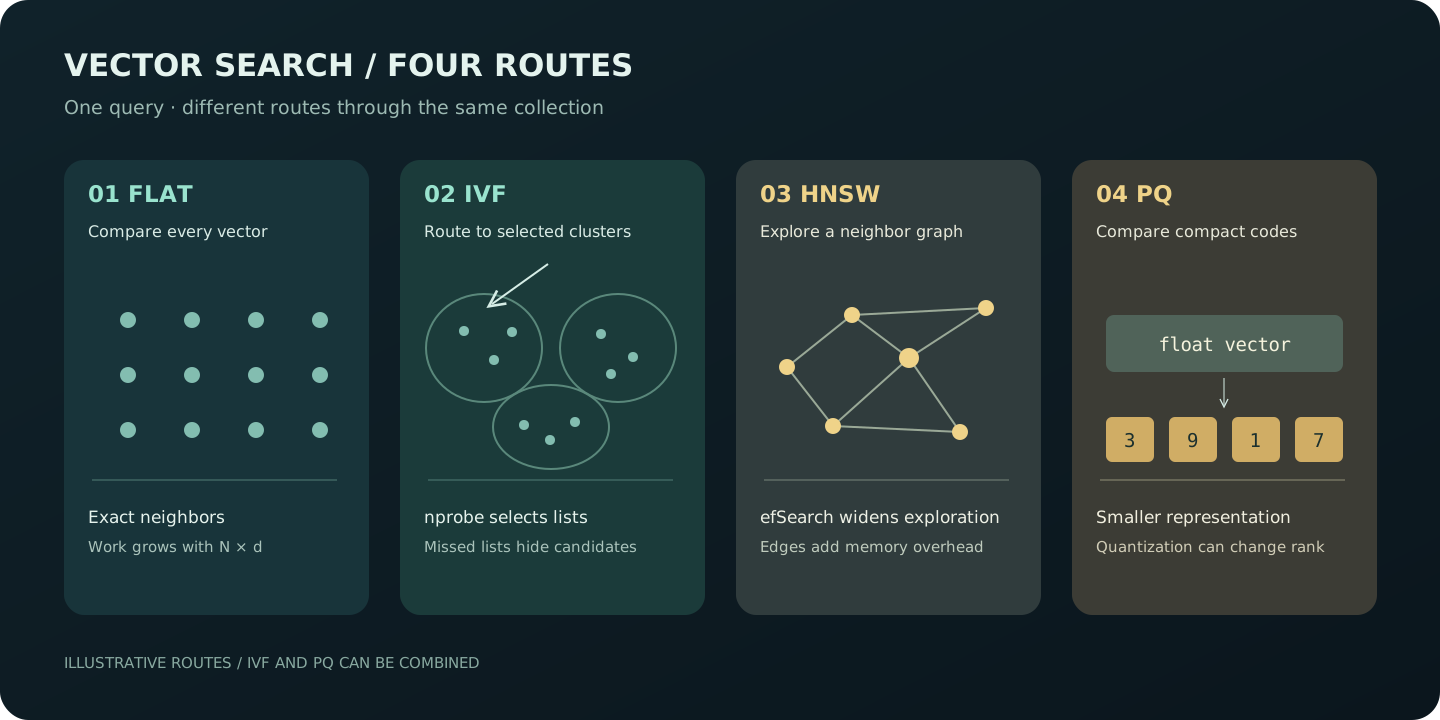
Compare recall, time and storage across Flat, IVF, HNSW and quantized indexes.

Distillation, multimodal AI, and fine-tuning
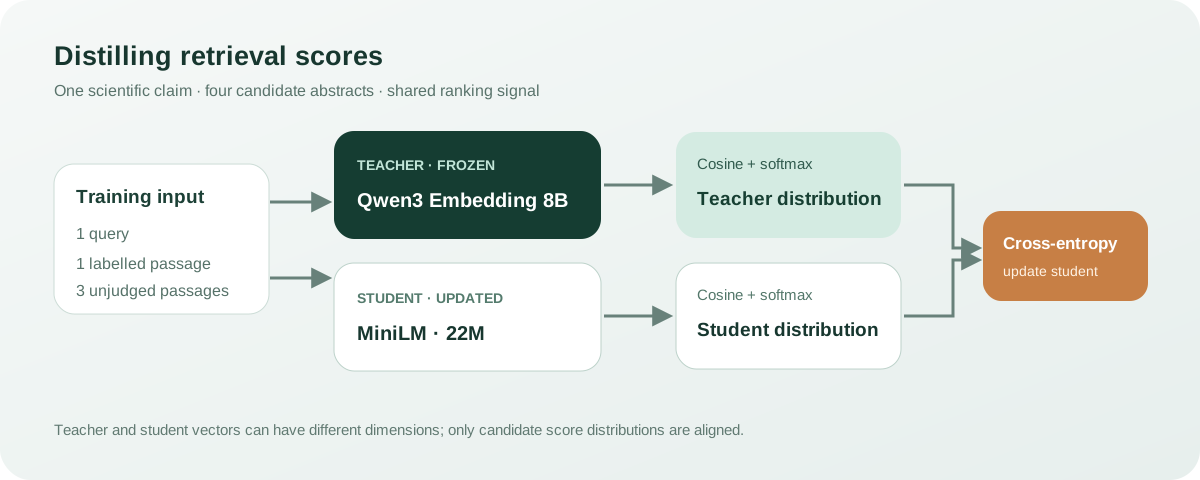
Embedding distillation
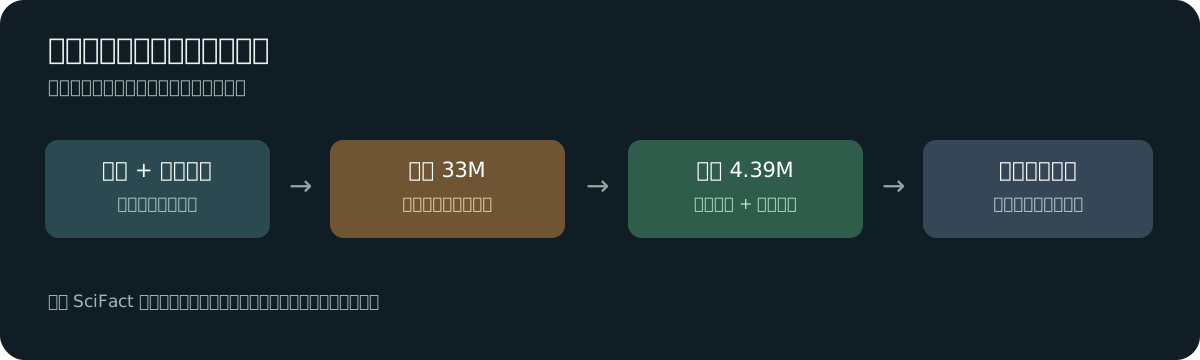
On fixed candidates for 300 held-out queries, distillation nDCG@10 was 0.0057 higher than the base, below the preset 0.02 target.
Reranker distillation
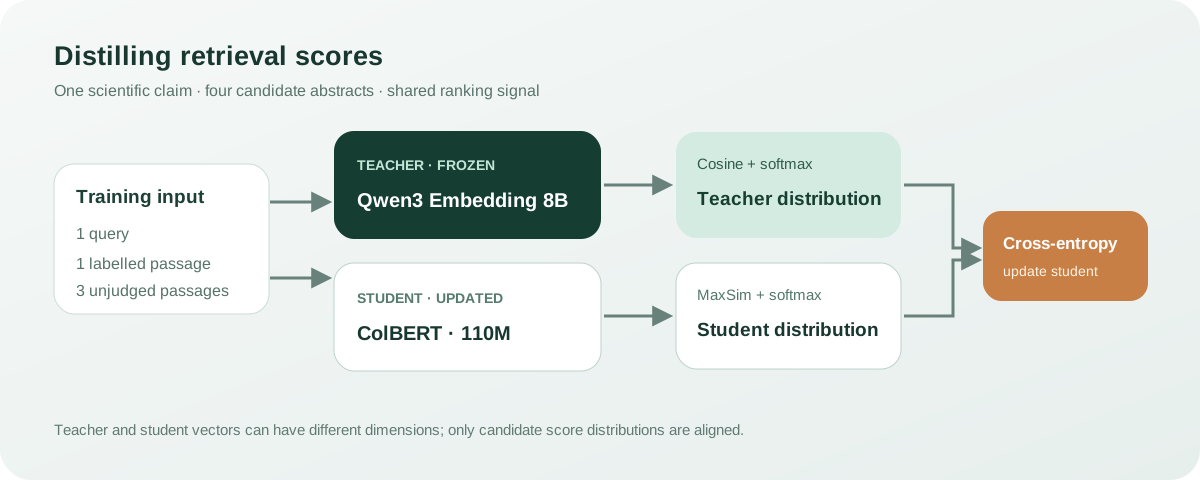
Compare supervised training and score distillation on a fixed candidate pool.
ColBERT distillation
A real-teacher rerun found a small difference from supervision; one seed does not establish an advantage.
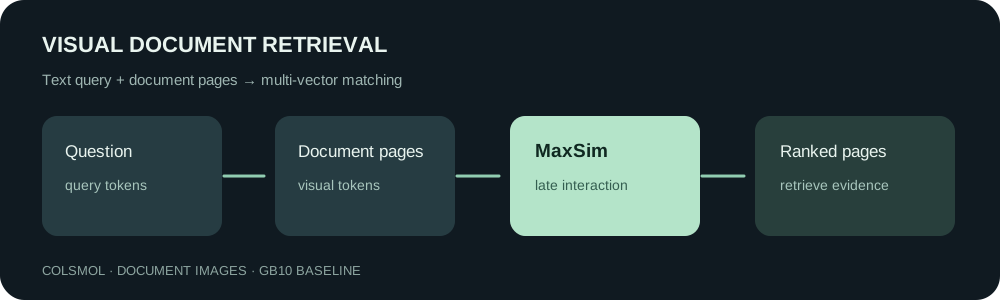
Visual multi-vector document retrieval
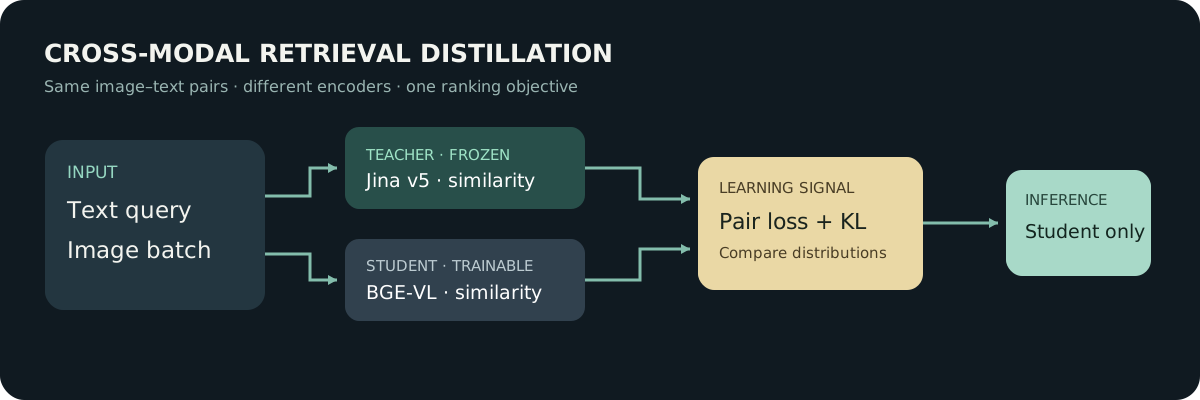
A page-retrieval baseline and synthetic-page training comparisons; this run showed no distillation gain.
Multimodal embedding distillation
Compare paired supervision and teacher distillation; on 100 test queries, R@1 was 0.91 for distillation and 0.93 for supervision.
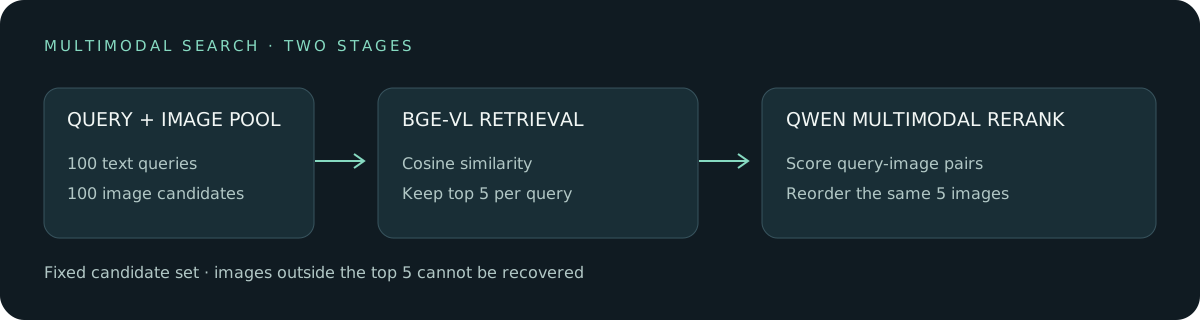
Multimodal reranking
Explore reranking image-text candidates with anonymized evaluation results.
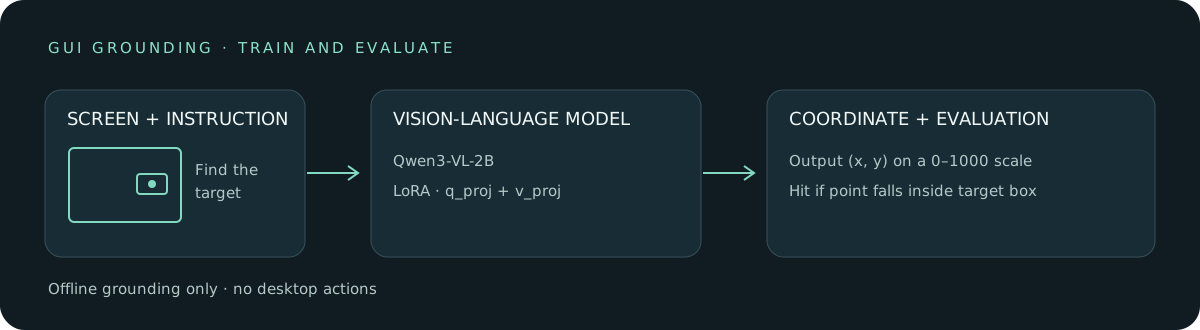
GUI grounding fine-tuning
On 48 stratified held-out samples, the base hit 34 targets and LoRA hit 42; this does not establish cross-application generalization.
Video generation trained on teacher samples
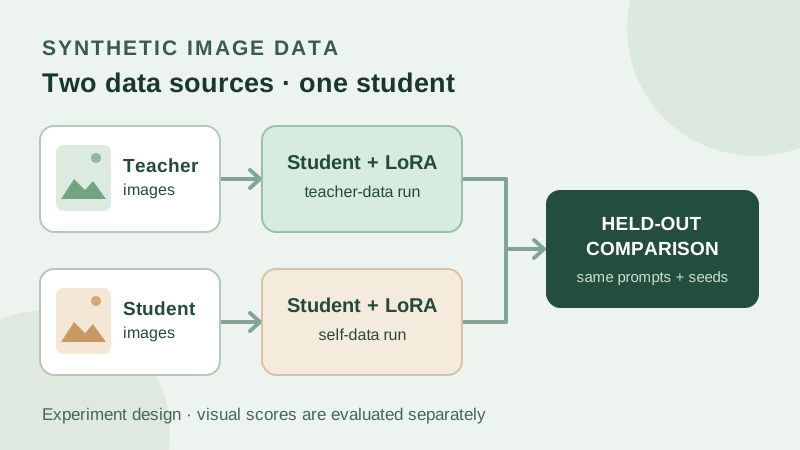
Compare teacher-generated and student-generated training data. A small sampled-frame review did not show the teacher-data group outperforming the base.
Comparison of teacher-generated and student-generated image training dataImage generation with synthetic training data
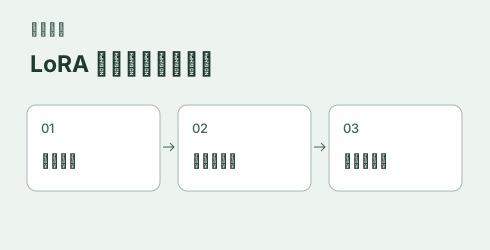
Fine-tune a student on teacher-generated data. A camera teacher-advantage gate failed; a mug development evidence set is available without weights; it is not a final test or proof of successful distillation.
Identity image fine-tuning
Train an identity LoRA; the historical base and adapted outputs use different resolutions and are not directly comparable.
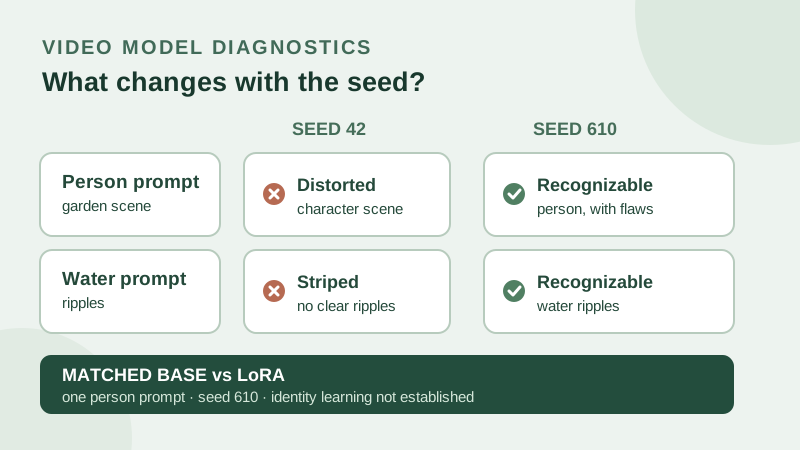
Seed comparisons for character and water prompts and a matched base versus LoRA checkCharacter video fine-tuning and diagnostics
Examine base generation, seeds, and LoRA outputs; a small held-out evaluation does not establish that the target character was learned.

Inference, deployment, and costs

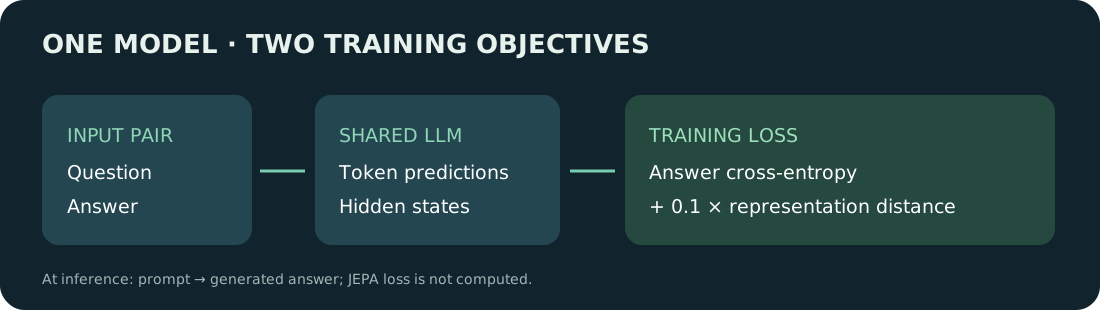
Language JEPA training
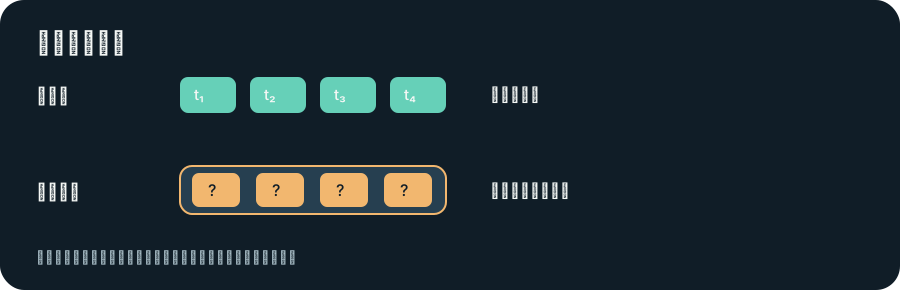
In the toy arithmetic test, 21 of 40 problems match training problems with reversed operands; no improvement established.
Diffusion language model speed
Compare generation paths on three prompts with unequal output lengths and unmeasured quality.
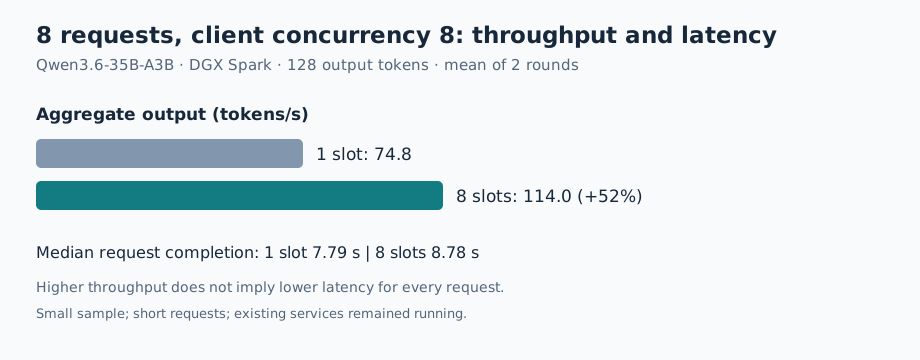
Eight concurrent requests: one slot averaged 74.8 output tokens per second, eight slots 114.0; median request completion times were 7.79 and 8.78 seconds, with two runs per setting.GB10 inference slots
Compare throughput and completion times for one versus eight slots on the same model and engine; two runs per setting.
LLM inference performance
Performance analysis across models and inference configurations.
Language model quantization
Compare model size, perplexity, and CPU speed; the BF16 path performed unusually slowly.
LLM mechanics
Understand text generation through examples.
Tokenizer mechanics
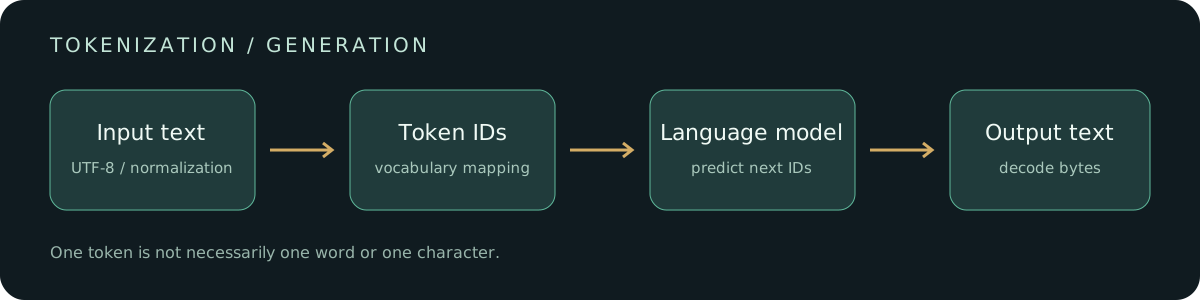
Explore byte-level BPE, real encodings, and token costs.
KV cache mechanics
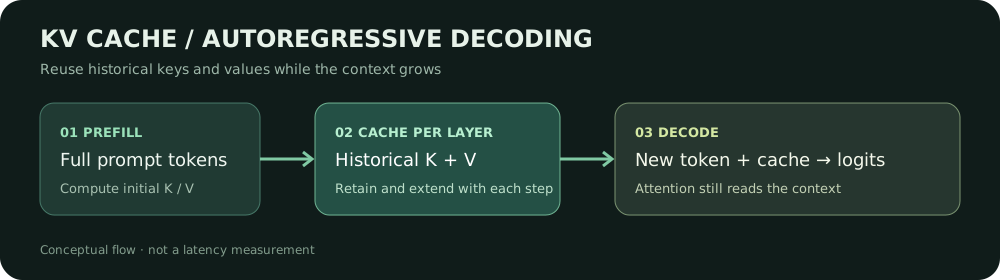
Compare cached and full-prefix numerical results.
Inference cost models
Memory examples and theoretical models; performance estimates have not been independently validated.
Data structure costs
Explore teaching models of indexes and storage; historical format records cannot support selection.

Document understanding and multimodal AI
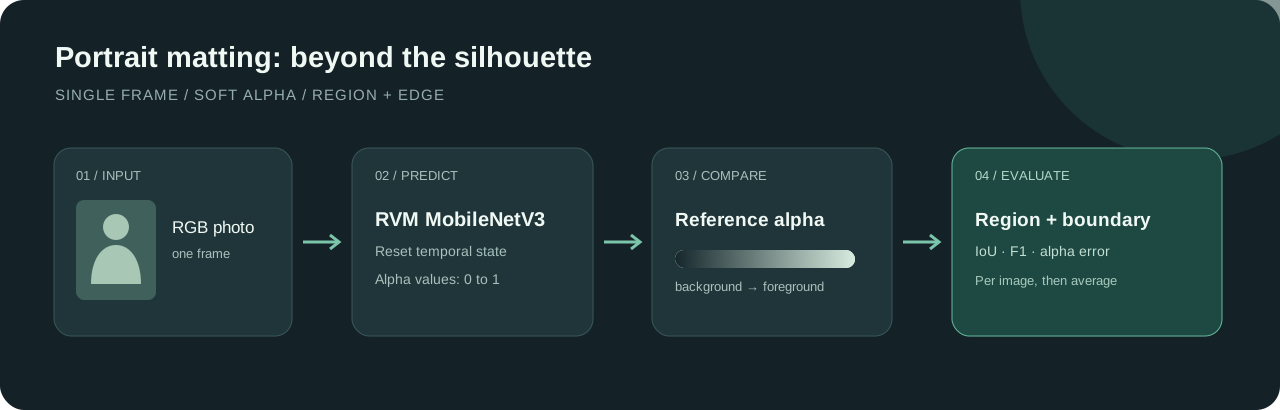
Portrait matting
Evaluate subject regions, boundaries, and forward time on 30 still images; results do not establish video performance.
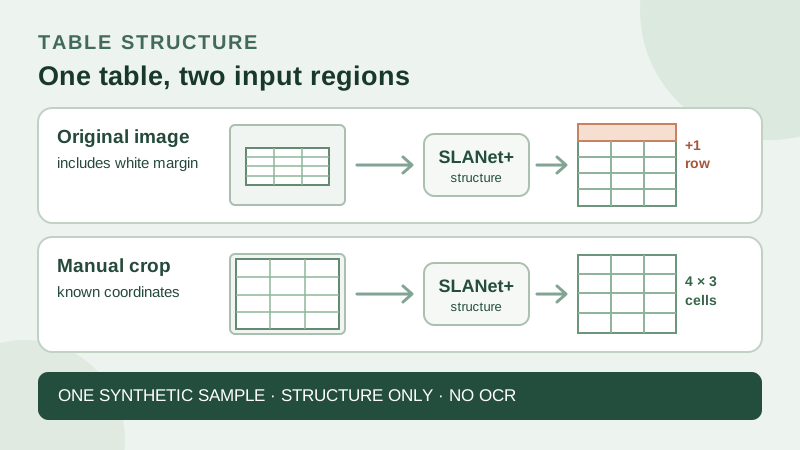
Structure predictions for original and manually cropped synthetic table inputTable structure recognition
Examine cropping and structure predictions on one synthetic table; text recognition is out of scope.
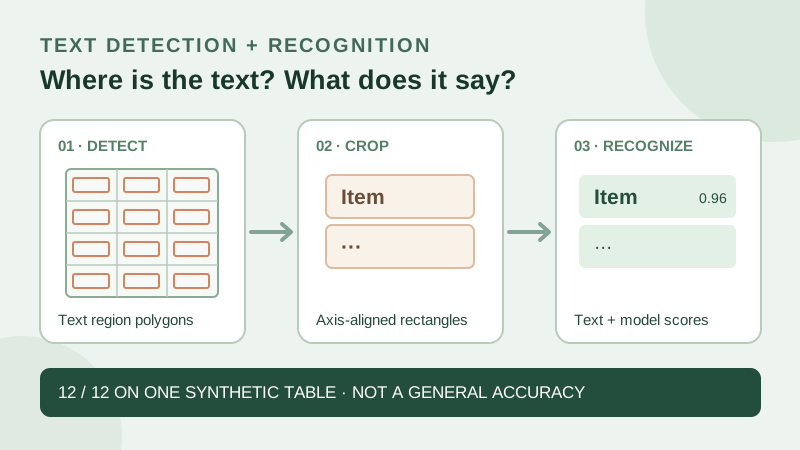
Text detection, box cropping and recognition on one synthetic tableText detection and recognition
Pass detected text regions to a recognizer; the two-stage result covers one synthetic table.
Across four OCR samples, ordinary generation took 2.36 times as long as speculative generation; preprocessing was excluded.MiniCPM-OCR
Document recognition deployment and generation acceleration.
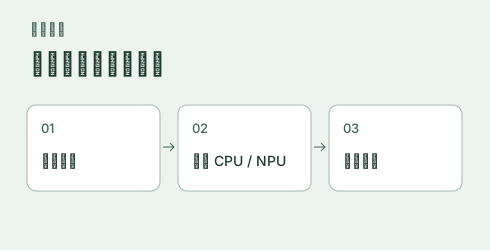
Jina CLIP OpenVINO
Compare CPU and NPU correctness and workload-specific performance.
Jev open-source evaluation
Compare community implementations on a small decision-making sample.